



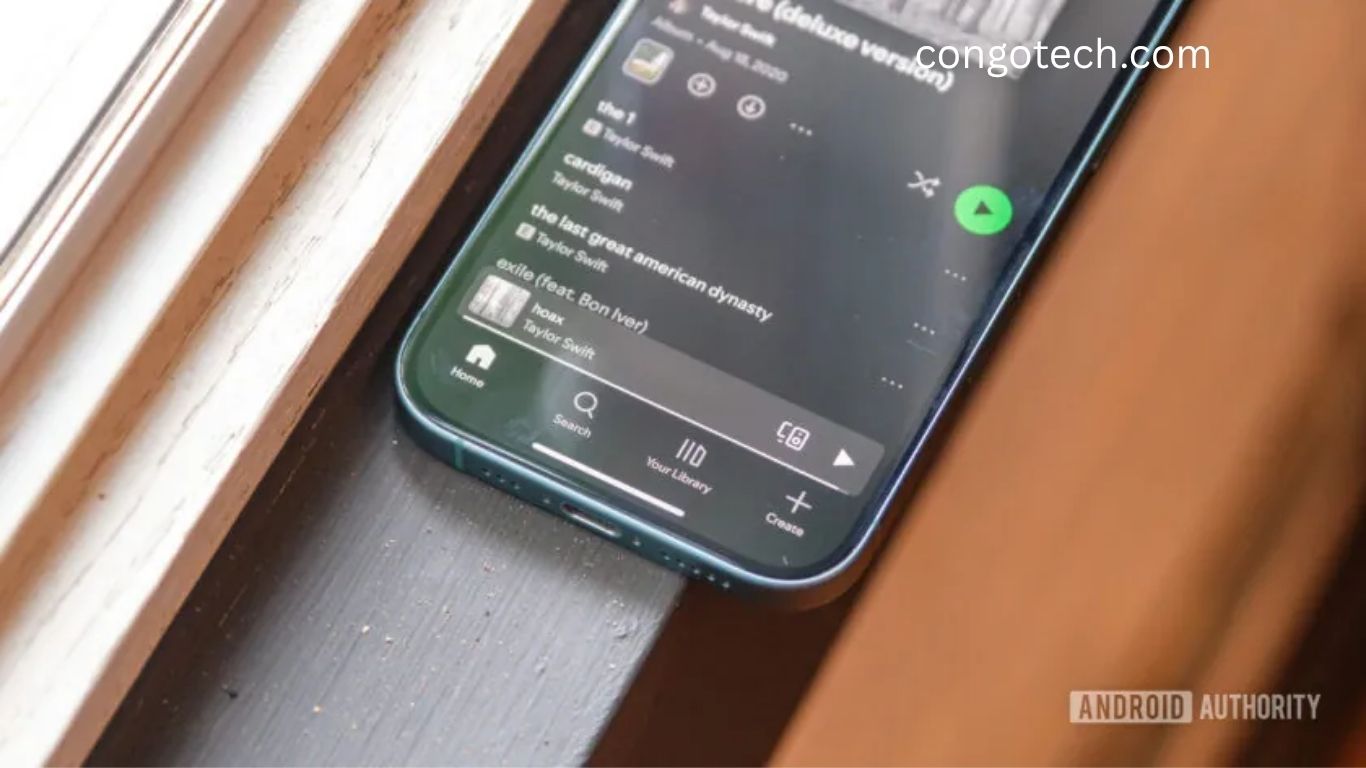
I used Spotify Premium for years, enjoying its smooth interface and vast music library. Yet, over time, I craved something new—an experience that would help me discover fresh artists, explore alternative music, or offer unique features beyond standard streaming. While Spotify remains an industry leader, several other platforms provide exciting alternatives for music lovers looking for variety and innovation.
After testing nearly every music streaming app over the years, I noticed that while many services seem similar at first glance, the differences in features, audio quality, and discovery tools can dramatically affect your experience. Here are the five best Spotify alternatives to consider if you want to try something new and expand your musical horizons.
Read More: Crunchyroll APK: Dive into the Unmatched, Thrilling World of Anime Streaming!
YouTube Music
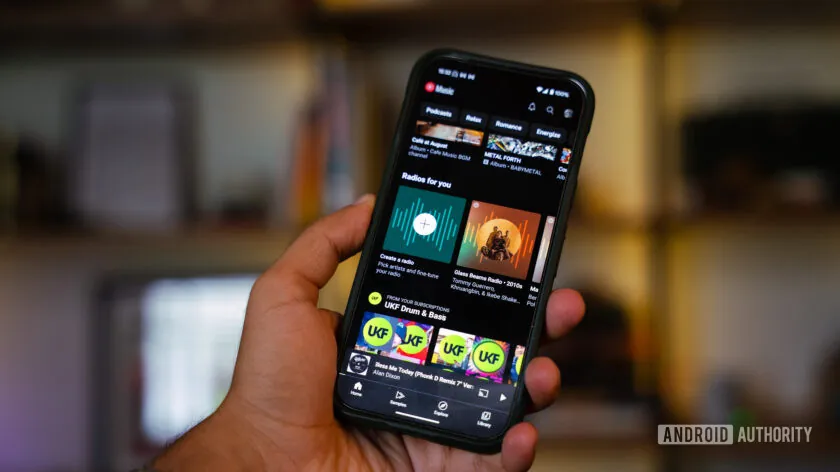
YouTube Music is easily my favorite Spotify alternative. Its clean design and intuitive interface make browsing effortless. The platform excels at music discovery, offering a wide range of videos in addition to audio tracks. A feature I particularly enjoy is the “Speed Dial” on the home screen, which lists my frequently played songs, saving time and taps.
Bundled with YouTube Premium, YouTube Music removes ads across both platforms, making it perfect for uninterrupted listening and video streaming. For users who spend time on YouTube instead of cable TV or subscription services like Netflix, this integration is a major advantage.
However, YouTube Music does have limitations in its free version. Unlike Spotify, you cannot turn off your phone display while streaming, which makes it less convenient for Bluetooth playback in cars. To balance this, I keep Spotify’s free version for situations where I need to play music with the screen off, even though it restricts song skips to six per hour.
Overall, YouTube Music stands out for its seamless blend of audio and video, excellent discovery tools, and integration with YouTube Premium, making it ideal for both casual listeners and avid music fans.
Deezer
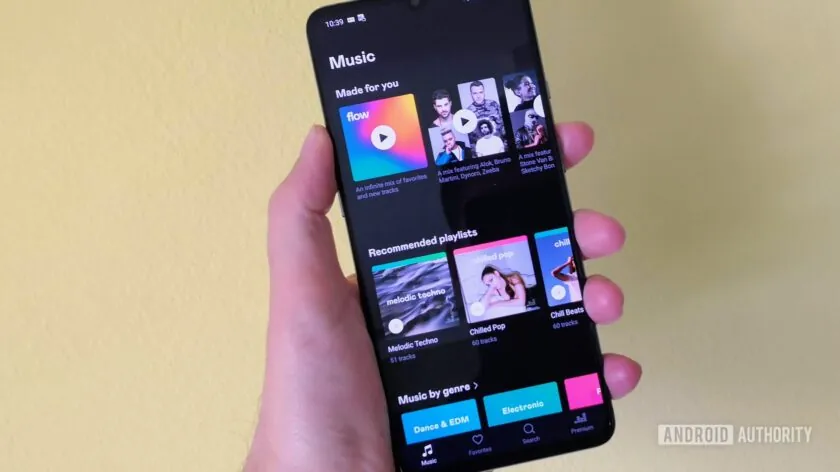
Deezer, a French streaming platform, may not have the same global recognition as Spotify or YouTube Music, but it is a strong contender for music lovers. The app’s clean design, intuitive interface, and reliable music library make it a joy to use.
A standout feature of Deezer is Flow, which curates a personalized playlist based on your mood, listening habits, and favorite genres. Unlike other discovery tools that often overemphasize mainstream artists, Flow adapts to your tastes, offering a diverse mix of tracks, including hidden gems.
Pricing for Deezer is competitive with Spotify, and a free tier is available, along with a month-long trial of its premium plan. This makes it easy to explore the app without commitment. For anyone looking for a music streaming service outside the usual mainstream options, Deezer offers a compelling, well-rounded experience with excellent discovery features.
SoundCloud
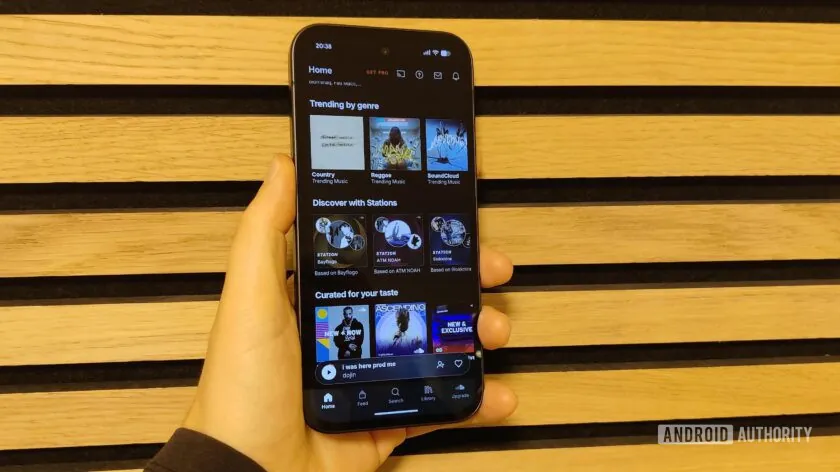
SoundCloud thrives on its community-driven approach, making it perfect for listeners who want to escape mainstream music. Unlike Spotify, where chart-topping hits dominate, SoundCloud focuses on emerging and independent artists.
The platform allows you to interact with the music community directly. You can comment on tracks, discover trending new artists, and explore niche genres that might otherwise go unnoticed. This sense of discovery and engagement makes SoundCloud a highly interactive experience.
SoundCloud also offers affordable pricing, with plans starting at just $4.99 per month. Additionally, there are subscription options for artists, allowing them to upload and monetize their music while helping listeners support independent talent. For anyone passionate about discovering new sounds and supporting emerging artists, SoundCloud is a vibrant, exciting alternative to Spotify.
Tidal
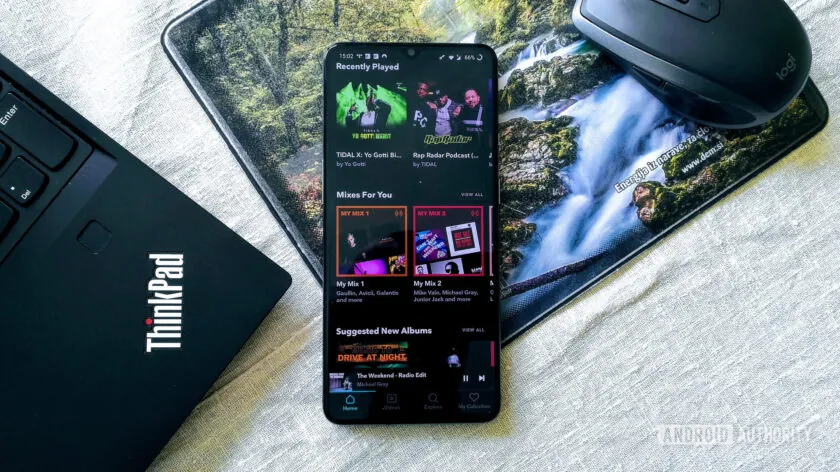
Tidal has long been synonymous with high-quality audio streaming. While competitors like Spotify now offer lossless audio, Tidal still holds an edge for audiophiles with its 24-bit/192 kHz FLAC streaming, compared to Spotify’s 24-bit/44.1 kHz FLAC. Whether this translates to a noticeable difference for most listeners is subjective, but for those with high-end audio equipment, Tidal remains a top choice.
Beyond audio quality, Tidal provides exclusive content, including videos and artist collaborations. It is particularly popular in the hip-hop community, partly due to its previous ownership by Jay-Z. The app is easy to navigate, and its curated playlists and recommendations cater to users seeking both mainstream hits and niche genres.
Tidal blends superior sound quality with unique content offerings, making it an excellent choice for users who value audio fidelity and exclusive releases.
Bandcamp
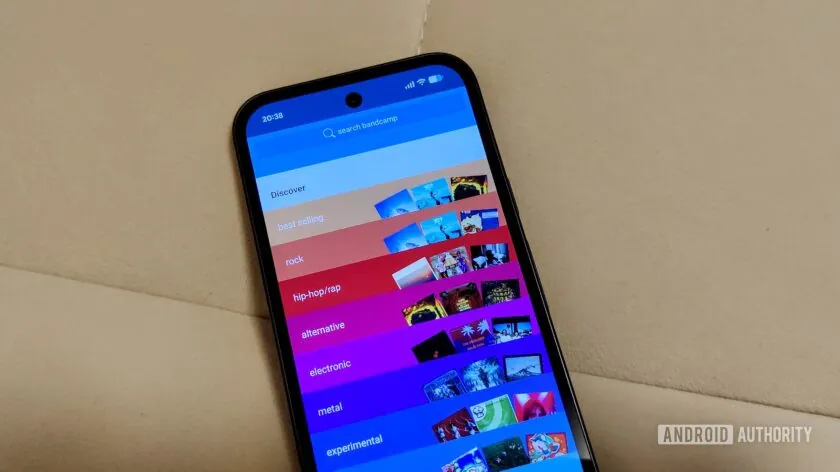
Bandcamp takes a different approach from traditional streaming services. Rather than relying on monthly subscriptions, Bandcamp allows users to purchase individual tracks or albums. Think of it as a digital record store where artists retain a significant portion of the revenue from sales.
The platform also allows artists to sell merchandise like t-shirts or vinyl directly to fans. For listeners, this creates a sense of connection and support, as your purchases go directly to the creators rather than being diluted through streaming royalties.
You can stream music purchased through Bandcamp in its app, with preview options available before purchase. While it lacks the all-you-can-stream model of Spotify, Bandcamp offers a more personalized and impactful way to engage with music and support emerging artists financially.
Making the Right Choice
While Spotify is still a leader in music streaming, exploring alternatives can open up a world of possibilities. YouTube Music excels for those who enjoy a combination of music and video content. Deezer and Flow cater to users seeking tailored discovery features. SoundCloud brings the thrill of discovering rising stars, Tidal impresses with audiophile-grade sound and exclusive content, and Bandcamp allows direct artist support and a more personal music experience.
Each platform has unique strengths, and the best one for you depends on your listening habits, music preferences, and priorities, whether it’s discovery, audio quality, or community engagement.
In addition to these five, there are many other emerging streaming services that continue to innovate, giving users more ways to enjoy music than ever before. If you’ve explored these apps, which one stands out as the ultimate Spotify alternative for you?
Frequently Asked Questions:
What are the best alternatives to Spotify?
The top alternatives include YouTube Music, Deezer, SoundCloud, Tidal, and Bandcamp. Each offers unique features, from personalized playlists and music discovery to high-quality audio and support for independent artists.
Which app is best for discovering new music?
SoundCloud and Deezer are excellent for discovering new artists. SoundCloud focuses on up-and-coming musicians, while Deezer’s Flow feature creates personalized playlists based on your mood and listening habits.
Can I use these apps for free?
Yes. Most of these apps offer free versions with limitations, such as ads or limited skips. Paid plans unlock premium features like offline listening, ad-free playback, and higher-quality audio.
Which app offers the best audio quality?
Tidal is widely recognized for its lossless, high-fidelity audio (up to 24-bit/192 kHz FLAC), making it ideal for audiophiles. YouTube Music and Deezer also offer high-quality streaming options in their premium plans.
Which app is best for music videos?
YouTube Music is the go-to choice, as it integrates seamlessly with YouTube, offering access to millions of music videos along with audio tracks.
Which platform is ideal for supporting independent artists?
Bandcamp and SoundCloud allow users to support independent musicians directly. Bandcamp lets you purchase tracks and merchandise, while SoundCloud encourages community interaction with emerging artists.
Are these apps available on all devices?
Yes. Most are available on Android, iOS, and web browsers, with some offering additional compatibility with smart speakers and desktop apps.
Conclusion
Exploring alternatives to Spotify can completely transform your music experience. Whether you crave cutting-edge music discovery, high-fidelity audio, or direct support for independent artists, platforms like YouTube Music, Deezer, SoundCloud, Tidal, and Bandcamp have something unique to offer. Each app brings its own strengths, from personalized playlists and exclusive content to community-driven engagement and artist-first purchasing models.
