



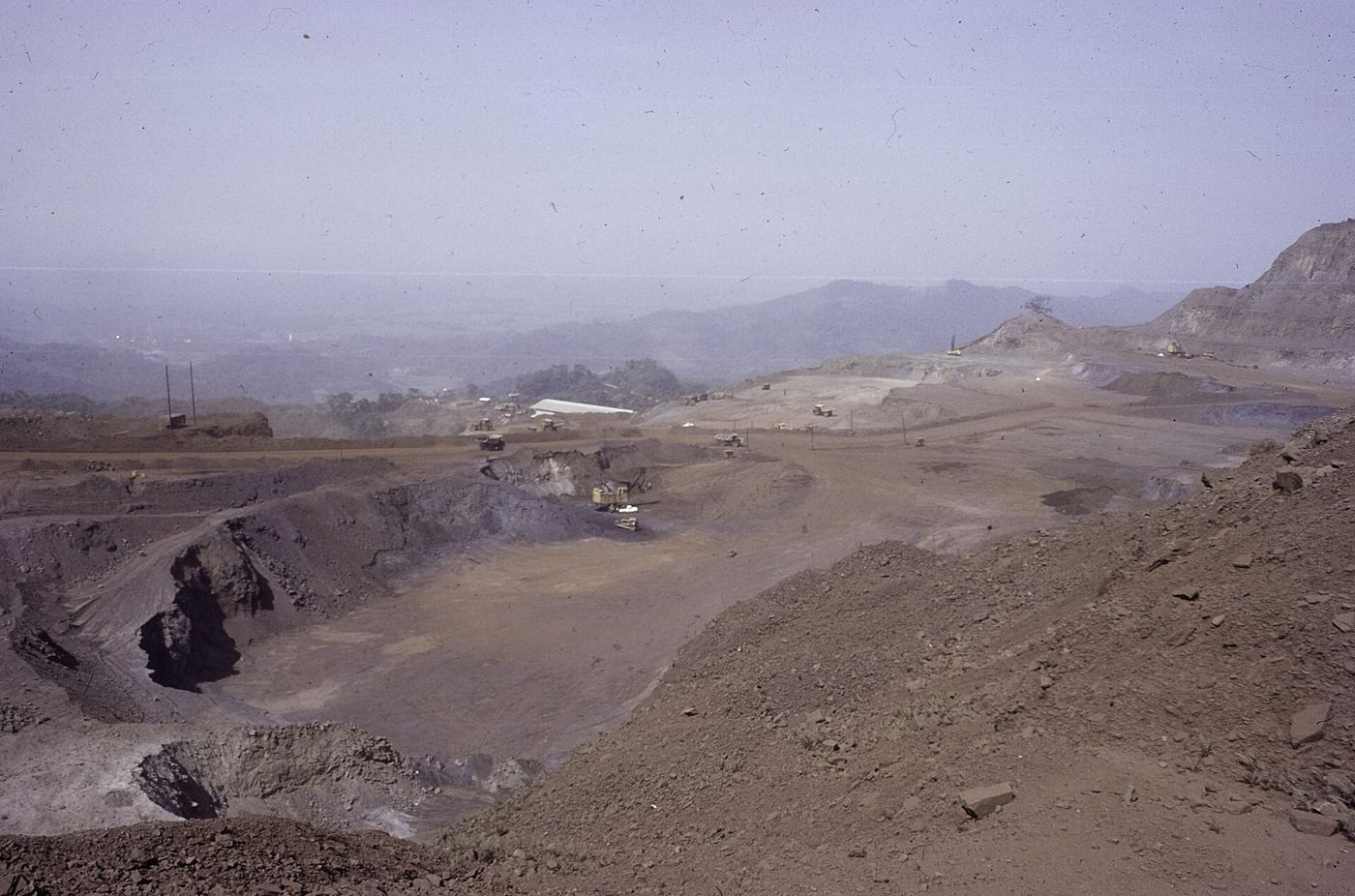
Every electric vehicle story eventually drives through the same province. The Democratic Republic of Congo produces the majority of the world’s cobalt, a metal that, despite the industry’s efforts to engineer around it, remains woven through high-performance batteries, aerospace alloys and the energy transition’s supply maps. The battery age does not merely involve Congo; it is substantially built on it, and the terms of that building are now the subject of intense negotiation.
Congo’s government has moved to capture more value from its geology: renegotiating contracts, pushing for local processing rather than raw export, and intervening in cobalt markets when prices collapsed under oversupply. The direction mirrors resource states everywhere, but the stakes are amplified by concentration: when one country dominates a critical input, its policy choices become everyone’s industrial policy. We follow the commodity diplomacy in our industry coverage, where the mine and the spreadsheet are increasingly the same story.
The artisanal question
Alongside industrial mines, a large artisanal sector of hand-dug cobalt employs tens of thousands, and its conditions, dangerous work, child labour documented by investigators, and prices set by intermediaries, have drawn justified scrutiny from buyers and campaigners. The serious debate is no longer whether the sector must change but how reform avoids the easy failure mode: buyers withdrawing, livelihoods destroyed, and the digging continuing anyway in the shadows.
Formalisation programmes, cooperatives, monitored trading centres and traceability systems, aim to make artisanal cobalt safe and legible rather than invisible. Progress is uneven and the audit industry around it has its own credibility problems, but the direction, from denial to management, is a real one.
The chemistry hedge
Standing behind every negotiation is a technological hedge: battery makers are working hard to need less cobalt. Iron-based chemistries already dominate mass-market vehicles, and each advance trims cobalt’s strategic weight. Congolese policymakers know the clock this creates. The current leverage is real but perishable, which is precisely why the push to convert geology into processing capacity, skills and infrastructure has acquired its urgency.
The window argument cuts in favour of speed on all sides. Buyers need secure, defensible supply now; Congo needs the investment to arrive while its resource still commands the market’s full attention. The deals struck in this decade will be read, in the next one, as the moment the battery age decided where its foundations would be poured.
Processing is the prize
The deepest shift would be refining and precursor production inside Congo itself, capturing the value-added steps that currently accrue abroad. Power supply is the binding constraint; smelters and chemical plants need electricity the grid struggles to guarantee, which is why hydroelectric projects now appear in battery strategy documents. Whoever solves Congolese power helps decide where the battery age is manufactured.
