



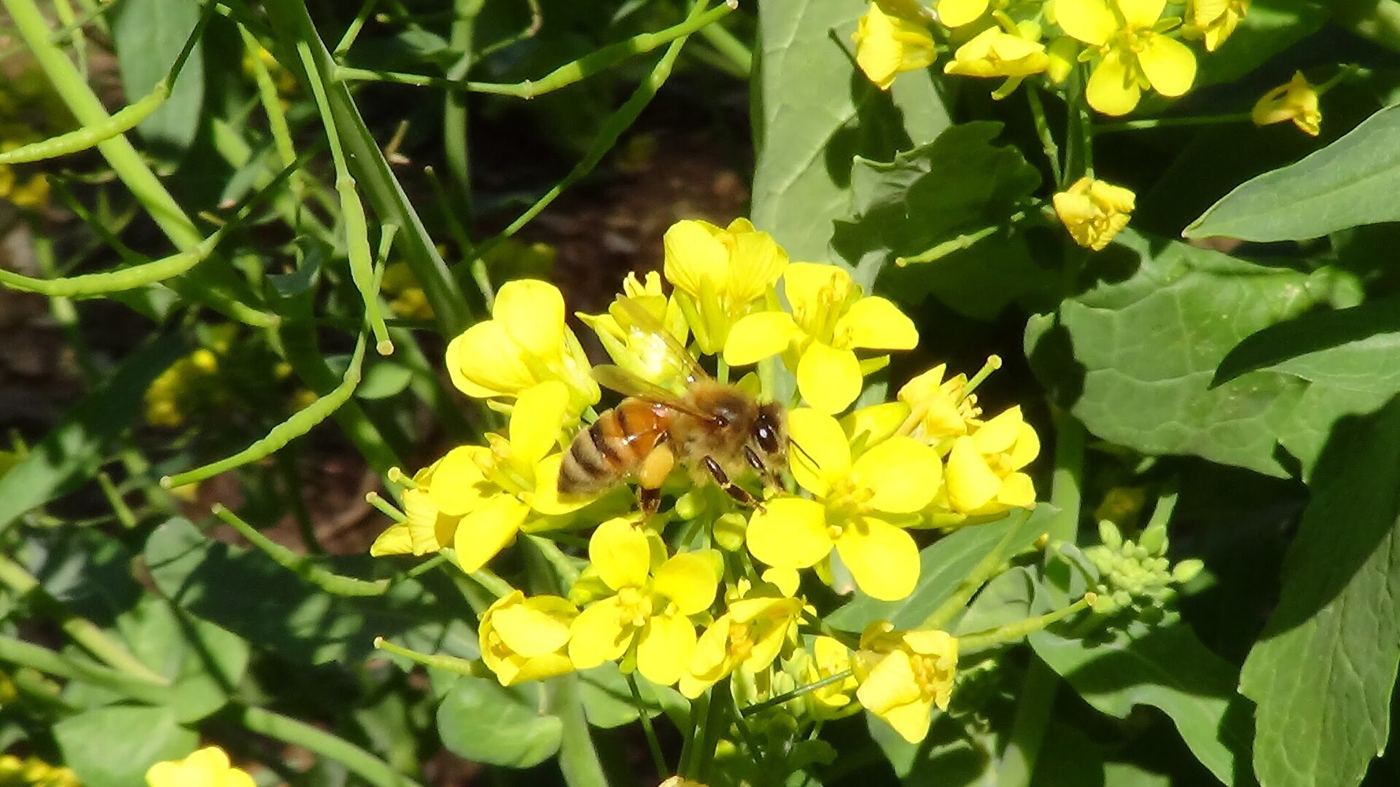
Honeybees returning from rich feeding grounds perform a waggle dance whose angle and duration encode the direction and distance of flowers they have found. Nest mates watching in the darkness of the hive translate that geometry into a flight plan, using the sun as their compass even on days when clouds hide it. New tracking studies, following individual bees with tiny radar tags, show how faithfully recruits follow the advertised route and how they adjust when landmarks disagree with the instructions. Young bees often need several practice flights, circling the hive to calibrate their sense of distance against the landscape passing beneath them. Experienced foragers, by contrast, may shortcut the danced route when they recognise a better path from memory. Researchers have also found that the dance floor conversation is two way, with experienced bees sometimes performing stop signals that discourage recruitment to depleted or dangerous sites. That detail reframes the dance from a simple announcement into part of a colony level debate about where effort should go. Understanding the system matters for agriculture, because pollination depends on colonies allocating thousands of flights efficiently across changing crops and wildflowers. It also inspires engineers designing robot swarms that must share location information with minimal communication.
What the Evidence Shows
Experiments with artificially shifted dances are not part of this work, because researchers increasingly prefer observing natural communication in field colonies. Instead, teams manipulate the landscape itself, moving feeders and tracking how quickly dance information updates across the colony. They find that information decays sensibly, with old locations fading from the collective memory as scouts report new sources. Disease and pesticide studies use dance behaviour as a sensitive health measure, since impaired bees dance less precisely and recruits follow them less successfully. Such findings give regulators a functional test that goes beyond counting surviving bees in a laboratory. Conservation groups apply the knowledge by planting flower strips at distances and arrangements colonies can actually exploit through the season. Urban beekeepers, too, learn from dance observations which parks and gardens their bees truly use. The waggle dance has been studied for a century, yet each new tracking technology reveals fresh detail about its accuracy and limits. Biologists say that depth is a lesson in itself, showing how much sophistication can be packed into a brain smaller than a pinhead. The colony, viewed this way, behaves like a distributed mapping system built from thousands of small flights. Reporting and analysis from sources such as Nature track the same developments, and specialists following honeybee waggle dance mapping say the direction is now consistent across independent lines of evidence.
The Wider Context
The wider context is a research landscape in which replication and open data now decide reputations. Findings connected to honeybee waggle dance mapping are being checked by independent groups with shared datasets, and the teams involved publish their methods in full so rivals can test every step. That discipline is slower than a headline cycle, but it is why results in this area increasingly survive first contact with scrutiny.
What Happens Next
What happens next in the story of honeybee waggle dance mapping will be decided by follow-up work already under way: larger samples, longer observation and instruments that have not yet come online. The researchers involved are unusually united on one point, that the current results justify the next investment of time and money. Readers will not have to wait long for the first tests of that claim. You can follow related developments in our coverage of science.
None of this will be settled by a single announcement, study or product launch. The pattern to watch is accumulation: independent confirmations, honest reporting of failures and steady improvement in the underlying numbers. Readers who follow those signals, rather than the loudest claim of the week, will understand this subject better than most of the commentary surrounding it suggests is possible.
