



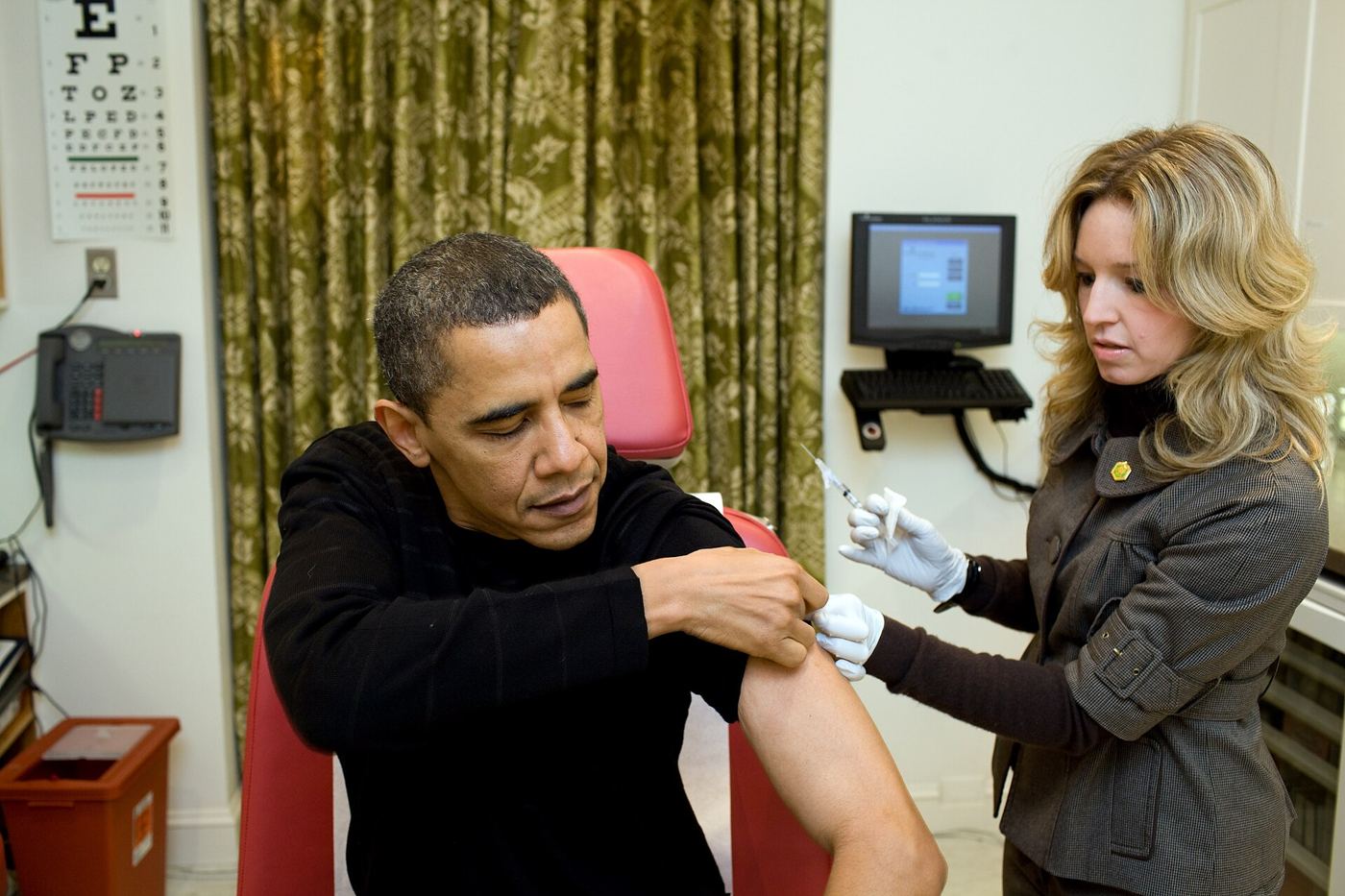
Diagnosing Alzheimer’s disease has long meant a spinal tap or an expensive brain scan, procedures that many patients avoid or cannot access. That changed on 16 May 2025, when the United States Food and Drug Administration cleared the first blood test to aid in diagnosing Alzheimer’s. The test, called the Lumipulse G pTau217 and beta-Amyloid 1-42 Plasma Ratio and made by Fujirebio Diagnostics, measures two proteins in a blood sample and calculates their ratio to detect the amyloid plaques that are a hallmark of the disease. It is intended for adults aged 55 and older who already show signs of memory or thinking problems. In the study submitted to the regulator, based on 499 blood samples from cognitively impaired adults, a positive result correctly predicted amyloid pathology 91.7 percent of the time, and a negative result ruled it out 97.3 percent of the time.
What the Evidence Shows
The test is a diagnostic aid, not a diagnosis on its own, and doctors must still combine it with a clinical examination and, in some cases, a scan or spinal tap. Fewer than 20 percent of results fall into an indeterminate middle zone that needs further testing, and the price, estimated at 500 to 1,000 dollars, is still high, though far cheaper than a PET brain scan. The timing matters because new Alzheimer’s drugs, lecanemab and donanemab, work best when given early, and they require confirmation of amyloid in the brain before treatment can begin. With more than 55 million people worldwide living with dementia, according to the World Health Organization, a simple blood test taken at a doctor’s surgery could bring diagnosis within reach of far more patients, and far earlier, than the current system allows. Reporting and analysis from sources such as Nature track the same developments, and specialists following Alzheimer’s blood test say the direction is now consistent across independent lines of evidence.
The Wider Context
The wider context is a research landscape in which replication and open data now decide reputations. Findings connected to Alzheimer’s blood test are being checked by independent groups with shared datasets, and the teams involved publish their methods in full so rivals can test every step. That discipline is slower than a headline cycle, but it is why results in this area increasingly survive first contact with scrutiny.
What Happens Next
What happens next in the story of Alzheimer’s blood test will be decided by follow-up work already under way: larger samples, longer observation and instruments that have not yet come online. The researchers involved are unusually united on one point, that the current results justify the next investment of time and money. Readers will not have to wait long for the first tests of that claim. You can follow related developments in our coverage of science.
None of this will be settled by a single announcement, study or product launch. The pattern to watch is accumulation: independent confirmations, honest reporting of failures and steady improvement in the underlying numbers. Readers who follow those signals, rather than the loudest claim of the week, will understand this subject better than most of the commentary surrounding it suggests is possible.
