


Close Menu
Congo Tech
    Facebook X (Twitter) Instagram
    Trending
    • Moon Dust Turned Into LEGO-Like Bricks for Lunar Bases
    • Marvell Agrees a $115 Billion Deal to Buy Lumentum in AI Optics Push
    • SpaceX Catches a Falling Rocket With Giant Chopsticks
    • A Blood Test Can Now Help Diagnose Alzheimer’s
    • Two-Nanometre Chips Enter Volume Production
    • Sepsis Kills Millions and Early Recognition Saves Lives
    • Smart Glasses Are Having Their Biggest Year Yet
    • Microplastics Are Now Found Throughout the Human Body
    Facebook X (Twitter) Instagram Pinterest Vimeo
    Congo TechCongo Tech
    • Home
    • Tech News
    • Robotics
    • Mobile App
    • Data Science
    • Software
    Congo Tech
    Home»Blog»ESA’s Hera Probe Photographs an Asteroid Crash Site
    Blog

    ESA’s Hera Probe Photographs an Asteroid Crash Site

    Jack EvansBy Jack EvansNovember 18, 2026No Comments3 Mins Read
    Share Facebook Twitter Pinterest LinkedIn Tumblr Reddit Telegram Email
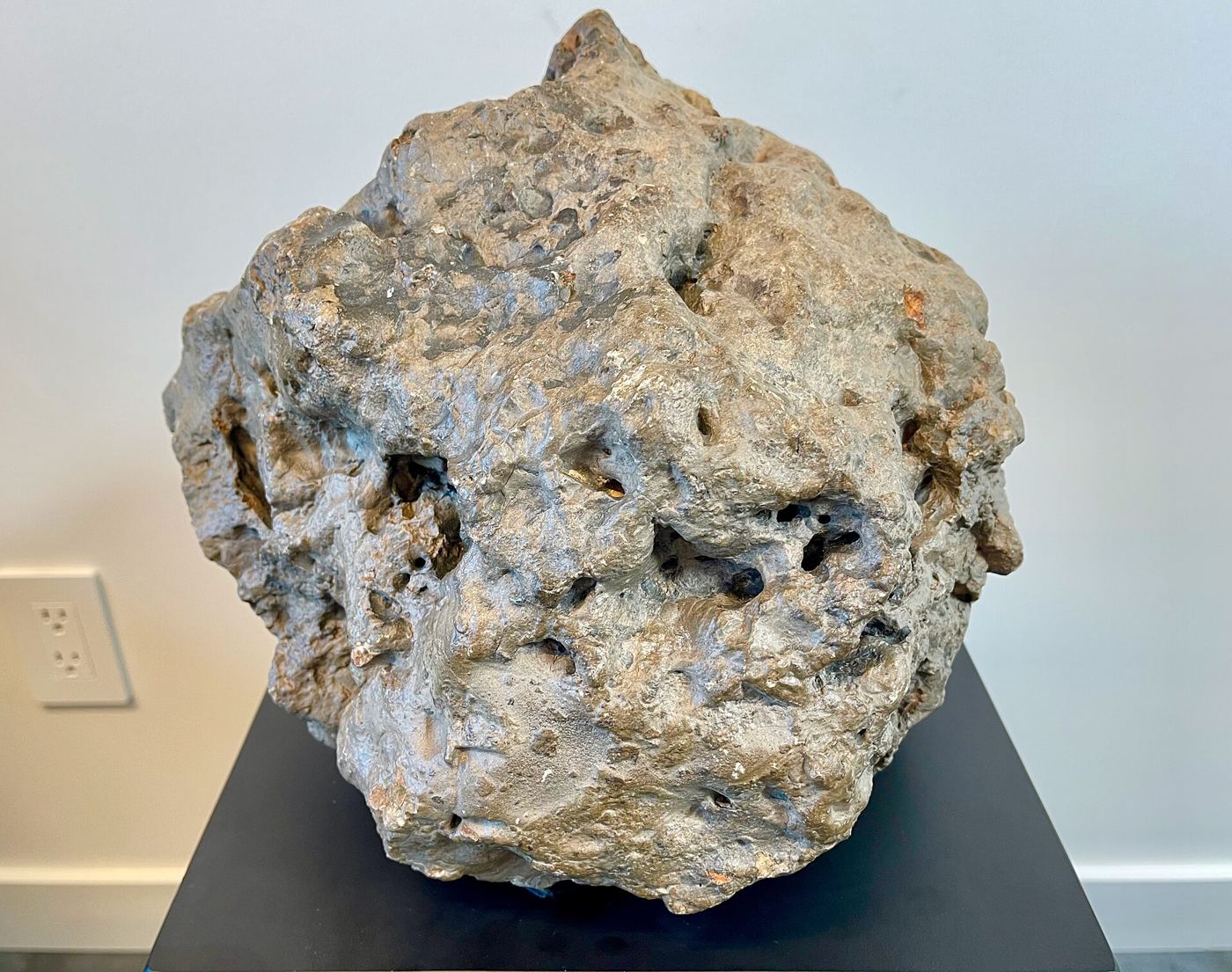
    A large pitted meteorite displayed on a stand in a museum.

    ESA’s Hera spacecraft is closing in on the Didymos binary asteroid system to carry out a detailed survey of the site where NASA’s DART mission crashed into the smaller asteroid Dimorphos in 2022. From about 60 kilometres away, Hera has captured close-up images with its monochrome Asteroid Framing Camera, showing the roughly 780-metre Didymos clearly, while much of the 151-metre Dimorphos remains in shadow. The images reveal a previously unseen hemisphere of Didymos with boulders, craters and possible grooves or ridges. DART’s impact shortened Dimorphos’s orbit by about 33 minutes, but whether the strike left a crater, reshaped the body, or both still needs near-field data.

    What the Evidence Shows

    Hera’s mission is often described as a crash-site autopsy, and it matters for planetary defence. If humanity ever needs to deflect a genuinely dangerous asteroid, we must know exactly what a kinetic impact does to a real asteroid, not just what computer models predict. Dimorphos may have been reshaped, fragmented or left with a crater, and each outcome changes how future deflection missions should be planned. Hera will spend months mapping both asteroids in detail, measuring their mass, structure and the debris left behind. The results will feed directly into plans for protecting Earth from asteroid impacts, making this one of the most practical space missions ever flown. Scientists will also study the dust and debris thrown off by the impact, since the size and spread of that material can reveal how much momentum an asteroid impactor actually delivers, and that knowledge could one day mean the difference between a successful deflection and a failed attempt to save a city. Reporting and analysis from sources such as Nature track the same developments, and specialists following ESA’s Hera probe photographing the asteroid crash site say the direction is now consistent across independent lines of evidence.

    The Wider Context

    The wider context is a research landscape in which replication and open data now decide reputations. Findings connected to ESA’s Hera probe photographing the asteroid crash site are being checked by independent groups with shared datasets, and the teams involved publish their methods in full so rivals can test every step. That discipline is slower than a headline cycle, but it is why results in this area increasingly survive first contact with scrutiny.

    What Happens Next

    What happens next in the story of ESA’s Hera probe photographing the asteroid crash site will be decided by follow-up work already under way: larger samples, longer observation and instruments that have not yet come online. The researchers involved are unusually united on one point, that the current results justify the next investment of time and money. Readers will not have to wait long for the first tests of that claim. You can follow related developments in our coverage of science.

    None of this will be settled by a single announcement, study or product launch. The pattern to watch is accumulation: independent confirmations, honest reporting of failures and steady improvement in the underlying numbers. Readers who follow those signals, rather than the loudest claim of the week, will understand this subject better than most of the commentary surrounding it suggests is possible.

    asteroids esa space
    Previous ArticleIBM and NVIDIA Build Quantum Computing Platform
    Next Article Microplastics Are Now Found Throughout the Human Body
    Jack Evans

    Related Posts

    Blog

    Moon Dust Turned Into LEGO-Like Bricks for Lunar Bases

    November 22, 2026
    Blog

    Marvell Agrees a $115 Billion Deal to Buy Lumentum in AI Optics Push

    November 22, 2026
    Blog

    SpaceX Catches a Falling Rocket With Giant Chopsticks

    November 20, 2026
    Add A Comment
    Leave A Reply Cancel Reply

    Search
    Recent Posts

    Moon Dust Turned Into LEGO-Like Bricks for Lunar Bases

    November 22, 2026

    Marvell Agrees a $115 Billion Deal to Buy Lumentum in AI Optics Push

    November 22, 2026

    SpaceX Catches a Falling Rocket With Giant Chopsticks

    November 20, 2026

    A Blood Test Can Now Help Diagnose Alzheimer’s

    November 20, 2026

    Two-Nanometre Chips Enter Volume Production

    November 20, 2026

    Sepsis Kills Millions and Early Recognition Saves Lives

    November 20, 2026
    About Us

    Congo Tech drives digital transformation, fuels innovation, boosts business growth across Africa using cutting-edge

    technology solutions – best way to grow, lead, and thrive in the digital age. Empowering enterprises, startups, and communities with smart tech. #CongoTech

    Facebook X (Twitter) Instagram WhatsApp
    Popular Posts

    Moon Dust Turned Into LEGO-Like Bricks for Lunar Bases

    November 22, 2026

    Marvell Agrees a $115 Billion Deal to Buy Lumentum in AI Optics Push

    November 22, 2026

    SpaceX Catches a Falling Rocket With Giant Chopsticks

    November 20, 2026
    Contact Us

    At Congo Tech, we’re always open to hearing from you. Whether it’s a news tip, advertising inquiry, or a support request — don’t hesitate to connect with us.

    Email: contact@outreachmedia .io
    Phone: +92 305 5631208

    Address: 2839 Prudence Street
    Dearborn, MI 48126

    • About Us
    • Contact Us
    • Disclaimer
    • Privacy Policy
    • Terms and Conditions
    • Write For Us
    • Sitemap

    Copyright © 2026 | All Right Reserved | Congo Tech

    Type above and press Enter to search. Press Esc to cancel.

    WhatsApp us