



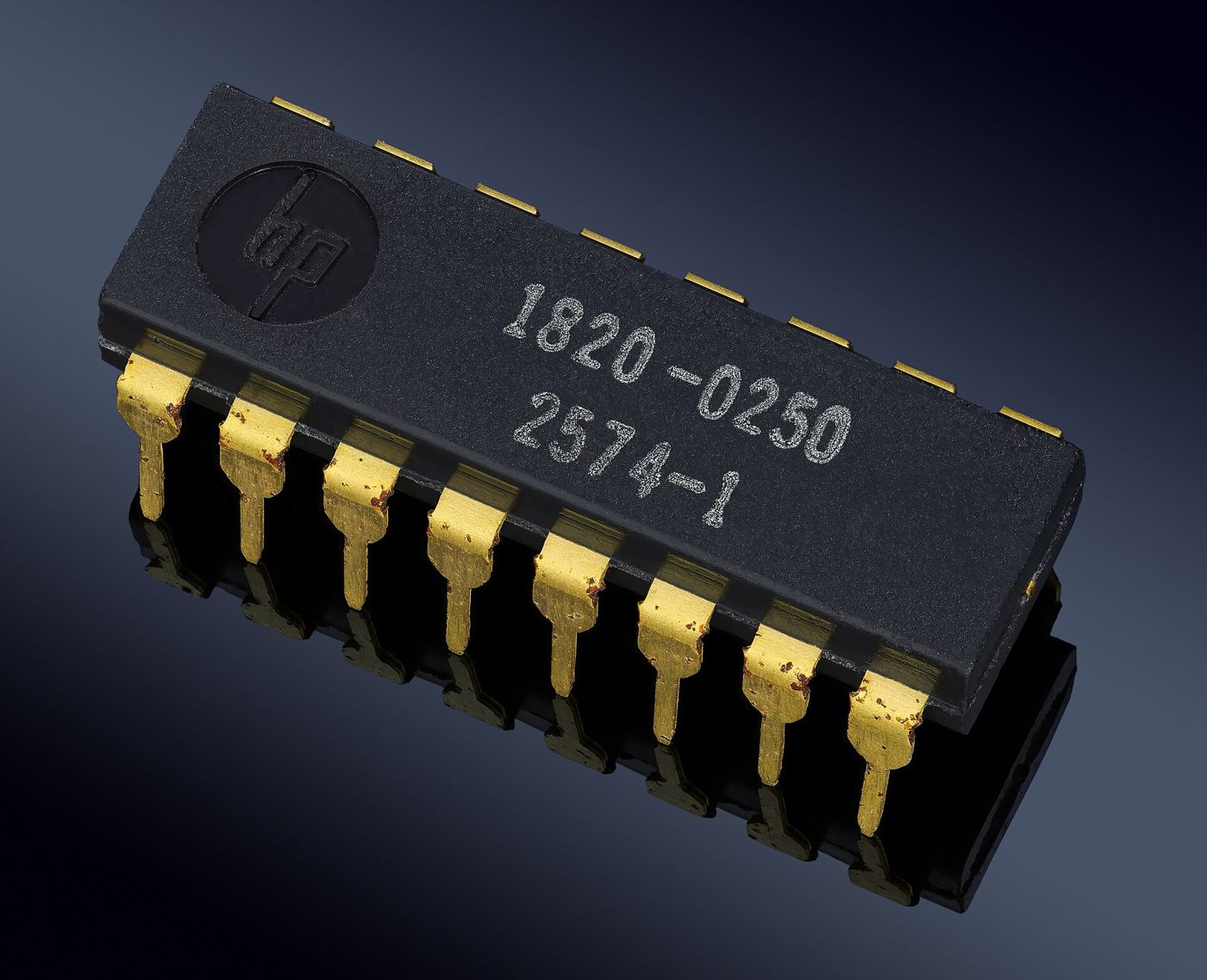
The world’s most advanced computer chips have entered a new era. TSMC, the Taiwanese company that manufactures chips for Apple, Nvidia, AMD and Qualcomm, began volume production of its 2-nanometre process, known as N2, in the fourth quarter of 2025, at two fabs in Taiwan. It is the company’s first process to use gate-all-around nanosheet transistors, in which the transistor’s channel is wrapped on all sides by the gate, giving better control of the current than the FinFET design it replaces. TSMC says the new process offers roughly 10 to 15 percent more performance at the same power, or 25 to 30 percent less power at the same speed, compared with its 3-nanometre node. By the third quarter of 2026, 2-nanometre chips already made up 8 percent of TSMC’s wafer revenue.
What the Evidence Shows
The race to 2 nanometres is not TSMC’s alone. Samsung began mass production of its own 2-nanometre process in 2025, with its Exynos 2600 phone chip, though reported yields near 55 percent in early 2026 were below profitable volume, and Intel’s 18A process, a 1.8-nanometre-class node, entered high-volume manufacturing in late 2025 for its Panther Lake laptop chips. The first products on TSMC’s N2 include Apple’s A20 Pro in the iPhone 18 Pro and AMD’s EPYC Venice server processors, while Nvidia, Google and Amazon are expected to follow. The catch is supply: TSMC says demand for the new node is the strongest it has ever seen, and the most advanced chips remain made only in Taiwan, a concentration that worries governments and customers alike. TSMC is building new fabs in Arizona and Japan to spread production, but the most advanced lines will stay in Taiwan for years to come. Reporting and analysis from sources such as MIT Technology Review track the same developments, and specialists following two-nanometre chip production say the direction is now consistent across independent lines of evidence.
The Wider Context
The wider context is an industry learning to ship capability and restraint together. Products built around two-nanometre chip production now launch with safety evaluations, usage data and rollback plans as standard, because enterprise buyers and regulators ask for them in the first meeting. Companies that treated those questions as friction are discovering they have become the purchase criteria.
What Happens Next
What happens next for two-nanometre chip production depends less on another breakthrough than on the unglamorous work of reliability, pricing and support. The buyers evaluating it now are not enthusiasts; they are operators with budgets and auditors, and their checklists will decide the timeline. On the evidence of the current pilots, the technology has earned the right to be judged by them. You can follow related developments in our coverage of technology.
There is a practical lesson in all of this for readers deciding what to do today. Start with the verified facts, be wary of anyone promising certainty, and prefer reversible steps while the evidence is still developing. Circumstances differ by country, income and personal situation, so general guidance should always be weighed against your own context before you act on it in any significant or lasting way.
