



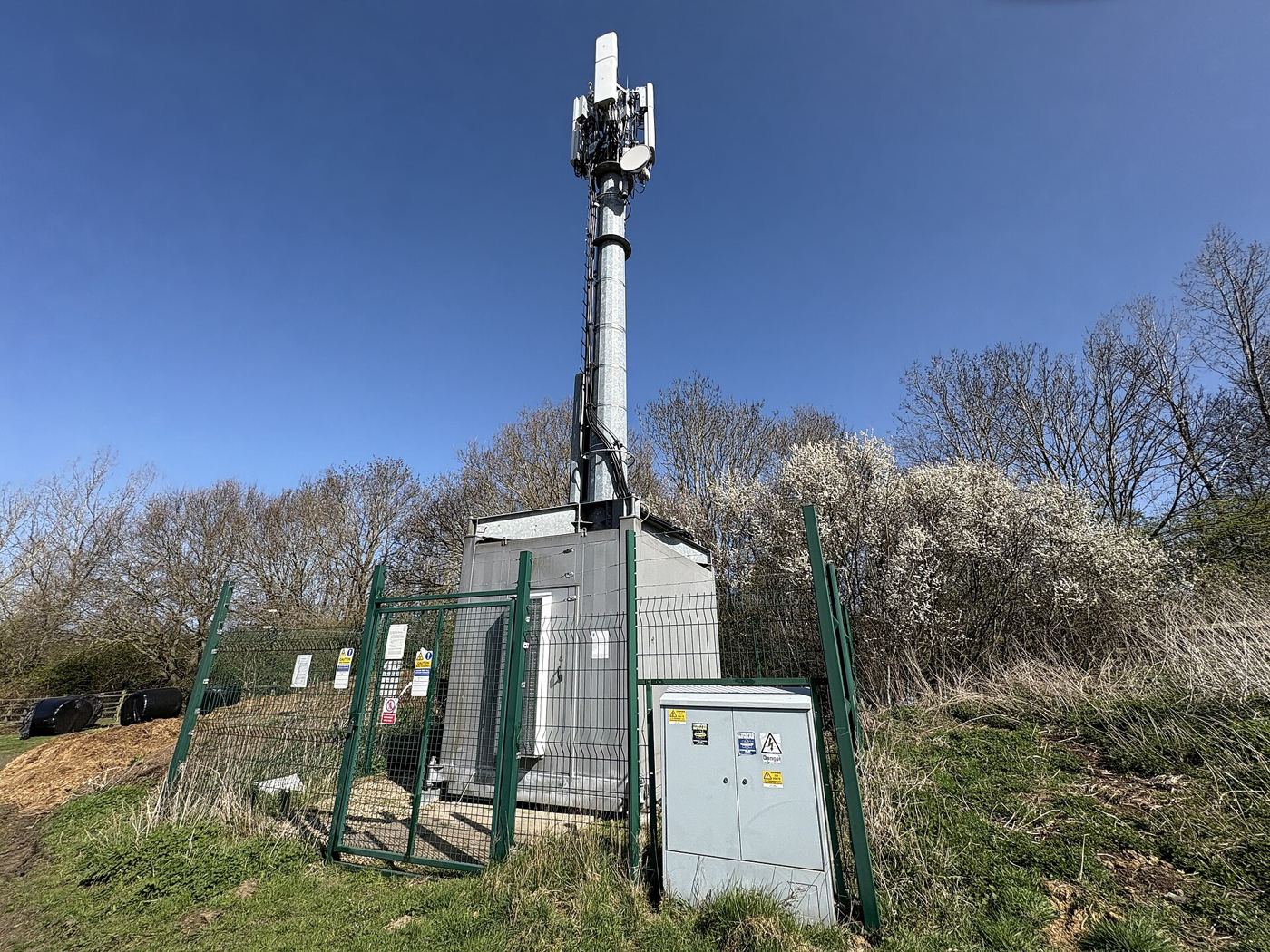
The fifth generation of mobile networks is still rolling out, but researchers are already designing its successor. 6G is expected to arrive around 2030, and its goals go beyond faster downloads. Engineers want networks that respond in less than a thousandth of a second, connect sensors by the millions, and sense the world around them, using radio signals to detect objects, measure rainfall or even spot a person breathing in a room. The technology would use frequencies far higher than today’s networks, carrying enormous amounts of data over short distances, and satellites would fill the gaps where towers cannot reach. Researchers are testing the new radio bands in laboratories and running field trials with prototype equipment, while governments and companies argue over which frequencies to reserve and which standards to adopt.
What the Evidence Shows
The promises come with caveats. High-frequency signals are easily blocked by walls, trees and rain, so a 6G network would need far more antennas than 5G, and the business case for building it is not yet clear. Energy use is another concern, since denser networks consume more power, and researchers are working on designs that switch antennas off when they are not needed. Supporters say the network could enable holographic calls, remote surgery and machines that cooperate in real time. Sceptics note that every generation has promised a revolution and delivered mostly faster phones. For now, the work is still in the laboratory, and the standards that will define 6G are only beginning to take shape. Reporting and analysis from sources such as IEEE Spectrum track the same developments, and specialists following the next-generation 6G networks say the direction is now consistent across independent lines of evidence.
The Wider Context
Adoption of the next-generation 6G networks follows a familiar pattern with an unfamiliar speed. Early users tolerate rough edges in exchange for advantage, mainstream users arrive when the tool disappears into existing workflows, and the market consolidates around whoever made that transition feel effortless. Vendors are racing less on raw performance now than on integration, support and trust.
What Happens Next
The realistic forecast for the next-generation 6G networks is steady integration rather than sudden replacement: embedded in products people already use, improving in increments, and regulated in proportion to its reach. The companies and institutions that plan on that basis, training staff and redesigning processes instead of chasing launches, are the ones the adoption data tends to vindicate. You can follow related developments in our coverage of technology.
It is also worth remembering how quickly the picture in this area has changed before. Positions that looked settled a few years ago have been revised as new data arrived, and the same humility is appropriate now. The strongest coverage of this subject, and the most useful advice, tends to come from sources that update their views openly when the facts move, rather than defending an earlier position long after it has stopped fitting the evidence available.
