



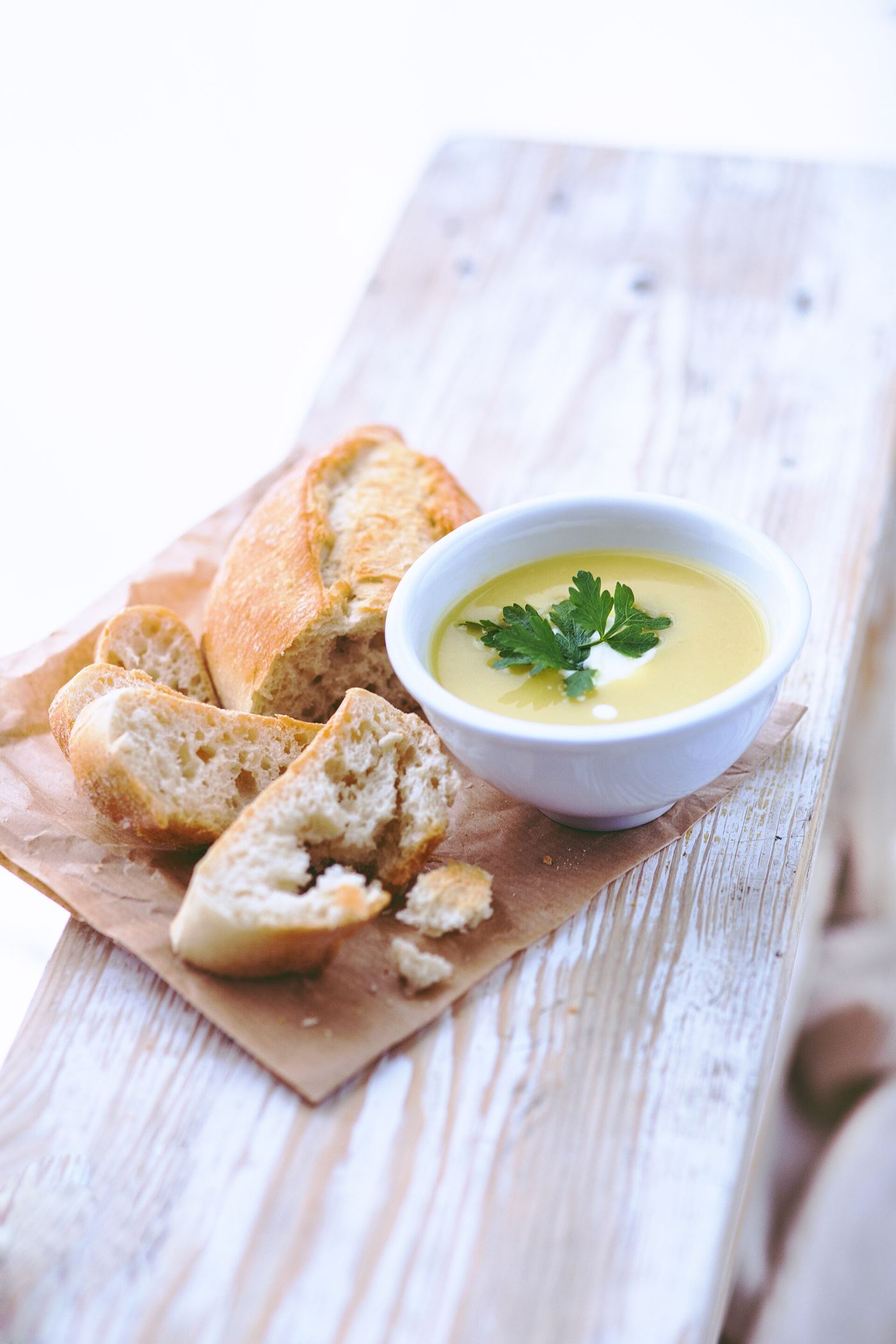
Community cooking groups were designed to teach healthy recipes, but organisers and psychologists increasingly point to a second benefit unfolding around the chopping boards: regular, low pressure social contact. Preparing vegetables together gives conversation an easy structure, since hands are busy, eyes can rest on the task, and silences feel natural rather than awkward. For people who find purely social gatherings daunting, including some older adults, new parents, and recent arrivals to an area, that shared activity lowers the barrier to showing up. Sessions end with eating together, which extends the contact around a table. Researchers studying loneliness note that repeated, predictable group contact is what gradually turns acquaintances into supportive local connections. Many groups deliberately meet weekly at the same time and place, because a dependable routine gives shy newcomers the confidence to return and settle in.
What the Evidence Shows
Psychologists describe this as belonging built through doing, where competence and company grow together; learning to make a soup while learning names makes both more memorable. Group leaders help by pairing newcomers with regulars, rotating tasks so everyone contributes, and keeping groups small enough for real conversation. Health services in some areas now refer isolated patients to cooking and other activity groups as part of social prescribing, alongside medical care where needed. Participants often report that the weekly rhythm matters as much as any single session, giving the week a friendly anchor. The recipes improve diets, organisers say, but the relationships formed in the kitchen may be the ingredient people value most. Organisers carefully protect the welcoming tone, greeting people by name, remembering small details, and making sure quieter members are gently included in tasks and conversation. Reporting and analysis from sources such as Nature Human Behaviour track the same developments, and specialists following group cooking and social connection say the direction is now consistent across independent lines of evidence.
The Wider Context
The wider context is a discipline rebuilding confidence through replication and pre-registration, and findings on group cooking and social connection are being reported with their effect sizes and limits attached. That honesty can make results sound smaller than the headlines of a decade ago, but the effects that survive are the ones practitioners can responsibly build on.
What Happens Next
What happens next in research on group cooking and social connection is a turn toward real-world trials: longer, larger and conducted in the schools, workplaces and clinics where the findings are meant to apply. Psychologists are also studying individual differences more seriously, because average effects conceal the people for whom an approach works powerfully and those it leaves cold. Both shifts make the science slower and more useful. You can follow related developments in our coverage of psychology.
None of this will be settled by a single announcement, study or product launch. The pattern to watch is accumulation: independent confirmations, honest reporting of failures and steady improvement in the underlying numbers. Readers who follow those signals, rather than the loudest claim of the week, will understand this subject better than most of the commentary surrounding it suggests is possible.
