


Close Menu
Congo Tech
    Facebook X (Twitter) Instagram
    Trending
    • Moon Dust Turned Into LEGO-Like Bricks for Lunar Bases
    • Marvell Agrees a $115 Billion Deal to Buy Lumentum in AI Optics Push
    • SpaceX Catches a Falling Rocket With Giant Chopsticks
    • A Blood Test Can Now Help Diagnose Alzheimer’s
    • Two-Nanometre Chips Enter Volume Production
    • Sepsis Kills Millions and Early Recognition Saves Lives
    • Smart Glasses Are Having Their Biggest Year Yet
    • Microplastics Are Now Found Throughout the Human Body
    Facebook X (Twitter) Instagram Pinterest Vimeo
    Congo TechCongo Tech
    • Home
    • Tech News
    • Robotics
    • Mobile App
    • Data Science
    • Software
    Congo Tech
    Home»Blog»Life Returns to Volcanic Islands Faster Than Scientists Expected
    Blog

    Life Returns to Volcanic Islands Faster Than Scientists Expected

    Jack EvansBy Jack EvansNovember 5, 2026No Comments3 Mins Read
    Share Facebook Twitter Pinterest LinkedIn Tumblr Reddit Telegram Email
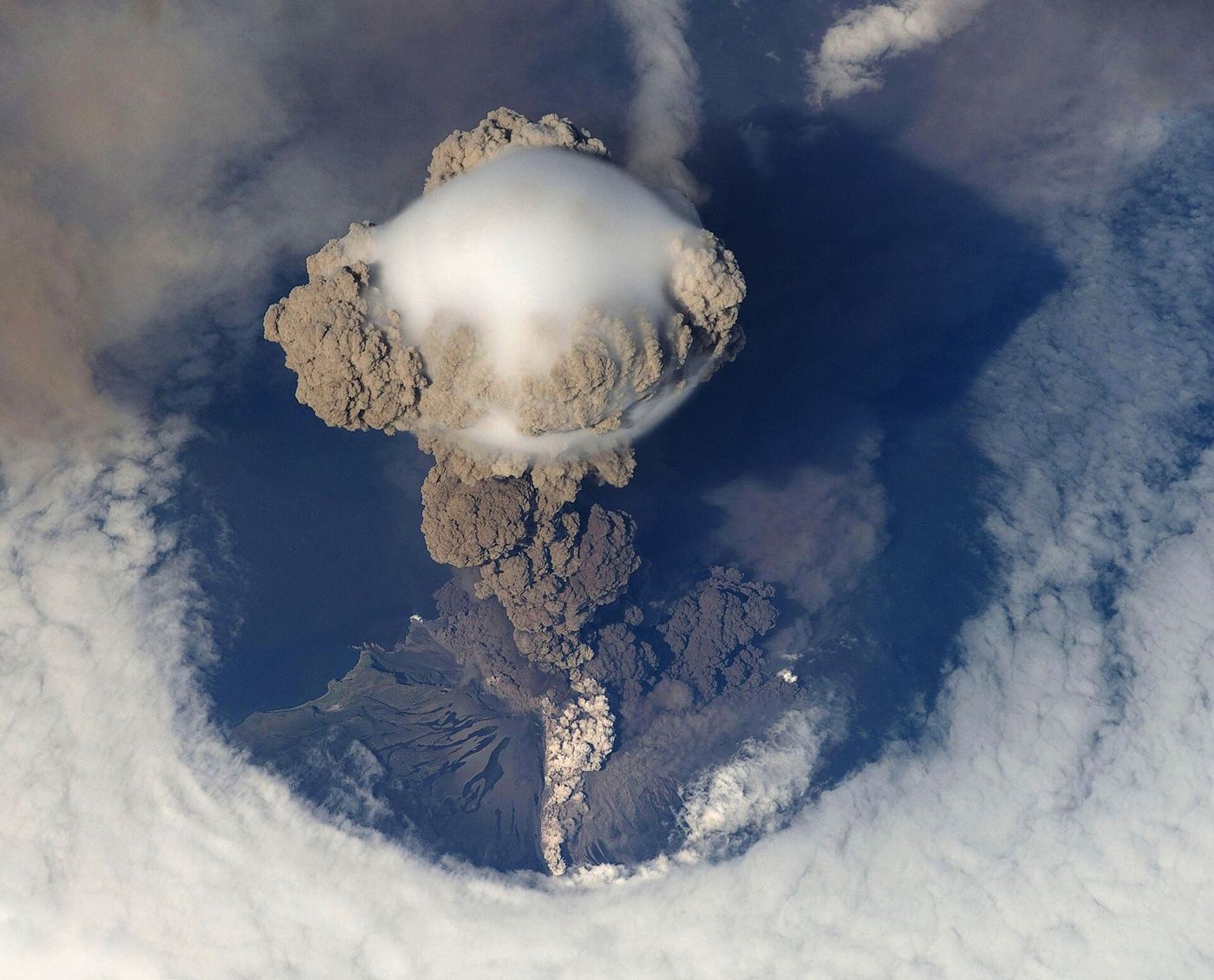
    An island volcano releases a dense ash cloud while waves break along its dark shoreline.

    A fresh volcanic island looks like the end of the world: black ash, bare lava and shores too hot and unstable for almost anything to live on. Yet ecologists who study such places describe recovery beginning surprisingly early. Wind and waves deliver seeds, insects and birds; seabirds bring nutrients in droppings; and hardy plants root in ash that, weathered over seasons, can become fertile soil. Pioneering species stabilise the surface and shade the ground, making it possible for later arrivals to survive. Each new eruption, and each new island built by one, becomes a natural experiment in how life assembles an ecosystem from almost nothing, watched closely by research teams. New islands are protected quickly where possible, precisely because their untouched recovery is scientifically priceless and easily damaged by introduced species arriving with careless visitors.

    What the Evidence Shows

    The sequence matters because islands are home to species found nowhere else, and understanding recovery helps conservation after eruptions displace them. Scientists map which plants arrive first, how soil deepens and when pollinators and nesting birds establish, comparing islands of different ages like frames in a film. Volcanic soils, once matured, often support rich farming, which is one reason people return to slopes that remain hazardous. That tension between fertility and danger defines life on volcanic islands worldwide. Researchers say the lesson of returning life is not that eruptions are harmless, but that ecosystems are opportunistic. Given time and a route for species to arrive, even ash fields can turn green. Each surveyed island adds a chapter to that story, helping scientists predict recovery elsewhere and identify the moments when protection or intervention matters most. Reporting and analysis from sources such as National Science Foundation track the same developments, and specialists following ecological recovery on volcanic islands say the direction is now consistent across independent lines of evidence.

    The Wider Context

    The wider context is a research landscape in which replication and open data now decide reputations. Findings connected to ecological recovery on volcanic islands are being checked by independent groups with shared datasets, and the teams involved publish their methods in full so rivals can test every step. That discipline is slower than a headline cycle, but it is why results in this area increasingly survive first contact with scrutiny.

    What Happens Next

    What happens next in the story of ecological recovery on volcanic islands will be decided by follow-up work already under way: larger samples, longer observation and instruments that have not yet come online. The researchers involved are unusually united on one point, that the current results justify the next investment of time and money. Readers will not have to wait long for the first tests of that claim. You can follow related developments in our coverage of science.

    There is a practical lesson in all of this for readers deciding what to do today. Start with the verified facts, be wary of anyone promising certainty, and prefer reversible steps while the evidence is still developing. Circumstances differ by country, income and personal situation, so general guidance should always be weighed against your own context before you act on it in any significant or lasting way.

    ecological recovery island science volcanic islands
    Previous Article$5 deposit casino: Minimum Deposit Rules & Payment Options
    Next Article Cooking Together: How Group Kitchens Ease Loneliness
    Jack Evans

    Related Posts

    Blog

    Moon Dust Turned Into LEGO-Like Bricks for Lunar Bases

    November 22, 2026
    Blog

    Marvell Agrees a $115 Billion Deal to Buy Lumentum in AI Optics Push

    November 22, 2026
    Blog

    SpaceX Catches a Falling Rocket With Giant Chopsticks

    November 20, 2026
    Add A Comment
    Leave A Reply Cancel Reply

    Search
    Recent Posts

    Moon Dust Turned Into LEGO-Like Bricks for Lunar Bases

    November 22, 2026

    Marvell Agrees a $115 Billion Deal to Buy Lumentum in AI Optics Push

    November 22, 2026

    SpaceX Catches a Falling Rocket With Giant Chopsticks

    November 20, 2026

    A Blood Test Can Now Help Diagnose Alzheimer’s

    November 20, 2026

    Two-Nanometre Chips Enter Volume Production

    November 20, 2026

    Sepsis Kills Millions and Early Recognition Saves Lives

    November 20, 2026
    About Us

    Congo Tech drives digital transformation, fuels innovation, boosts business growth across Africa using cutting-edge

    technology solutions – best way to grow, lead, and thrive in the digital age. Empowering enterprises, startups, and communities with smart tech. #CongoTech

    Facebook X (Twitter) Instagram WhatsApp
    Popular Posts

    Moon Dust Turned Into LEGO-Like Bricks for Lunar Bases

    November 22, 2026

    Marvell Agrees a $115 Billion Deal to Buy Lumentum in AI Optics Push

    November 22, 2026

    SpaceX Catches a Falling Rocket With Giant Chopsticks

    November 20, 2026
    Contact Us

    At Congo Tech, we’re always open to hearing from you. Whether it’s a news tip, advertising inquiry, or a support request — don’t hesitate to connect with us.

    Email: contact@outreachmedia .io
    Phone: +92 305 5631208

    Address: 2839 Prudence Street
    Dearborn, MI 48126

    • About Us
    • Contact Us
    • Disclaimer
    • Privacy Policy
    • Terms and Conditions
    • Write For Us
    • Sitemap

    Copyright © 2026 | All Right Reserved | Congo Tech

    Type above and press Enter to search. Press Esc to cancel.

    WhatsApp us