



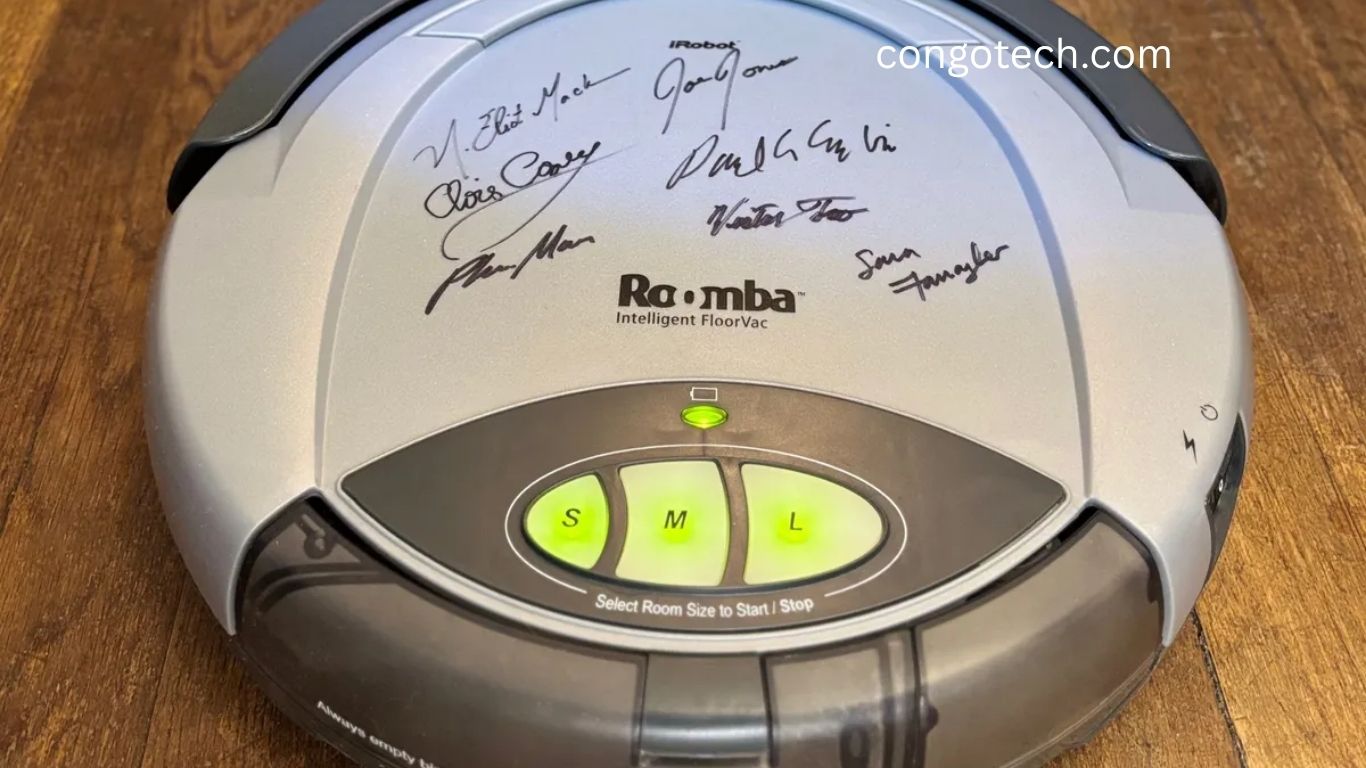
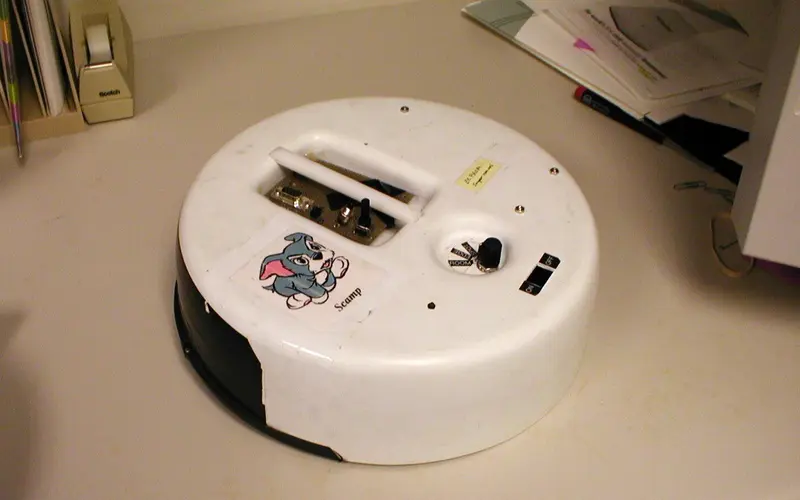
In the early 2000s, iRobot set out to transform household cleaning. The company developed a prototype robot capable of cleaning both hard floors and carpets using a simple carpet-sweeping mechanism. To gauge consumer interest, iRobot vice president Winston Tao and the marketing team organized a focus group, giving engineers a chance to witness firsthand how potential customers would respond to Roomba.
Read More: Trailblazing Women in Robotics Who Are Redefining Innovation in 2025
The Focus Group Experience
On a midsummer day in 2001, engineers, Tao, and team members gathered at an office building in Cambridge, Massachusetts, overlooking the Charles River. Inside a narrow observation room, they faced a one-way mirror revealing a bright, spacious room with snacks, chairs, and a facilitator awaiting participants. While familiar from TV, observing from behind the glass felt surreal.
iRobot had invested nearly $10,000 to run the focus groups—the company’s largest market research spend at the time. Eight to ten participants entered the room, ready to provide feedback on the prototype. The facilitator encouraged honesty, emphasizing, “You are the world’s expert in your own opinion.”
Early Skepticism and Growing Interest
Initially, participants were skeptical. When the facilitator described Roomba without showing it, doubts ran high. But once the prototype demonstrated its ability to clean carpets and hard floors, skepticism faded. Surprisingly, the most enthusiastic supporters were “soccer moms,” early mass-market adopters who saw Roomba as a time-saving tool, rather than gadget enthusiasts as the team had expected.
Price Perception Challenges
Consumer excitement alone wasn’t enough; iRobot needed to know how much buyers would pay. Participants’ estimates ranged widely, with some expecting the $200 target price and others far less—even $25. When asked about a replacement battery, one woman said $50, showing a misunderstanding of value.
Interestingly, the facilitator avoided calling Roomba a robot, instead describing it as an “automatic floor cleaner.” Across roughly two dozen participants, only two referred to it as a robot. Additionally, no one knew the actual cleaning mechanism, assuming Roomba was a vacuum. Once told it was a carpet sweeper, participants halved their price estimates. Conventional beliefs about vacuums outweighed what they saw working in front of them.
The Vacuum Dilemma
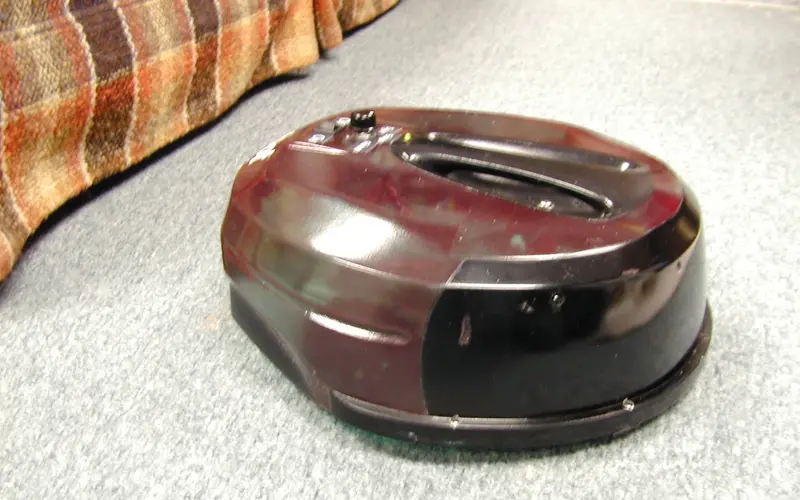
Faced with this challenge, Winston Tao concluded, “Roomba has to have a vacuum.” However, incorporating a vacuum posed significant technical obstacles. The robot’s battery power and compact design left no space for a traditional vacuum system. Any addition needed to maintain the ability to clean under furniture and between chair legs.
Engineering the Micro-Vacuum
The solution was a micro-vacuum—a low-power system that used just 10% of Roomba’s 30-watt budget. Conventional vacuums consume 1,200 watts, so the challenge was creating a system that performed effectively while using only 3 watts. Engineers realized that reducing air volume without reducing velocity could save power, requiring an inlet only a millimeter or two wide.
Prototyping with cardboard and packing tape, engineers built a narrow-inlet vacuum powered by a repurposed blower. Tests proved its effectiveness on debris. The vacuum was integrated into Roomba, with rubber vanes forming the inlet and preventing collapse. Mechanical engineer Eliot Mack, aided by external consultants, carefully fit the motor, impeller, and filter into a corner of the dust cup.
Optimized Cleaning Performance
Roomba’s design inverted traditional vacuum performance. While conventional vacuums excel on carpet, Roomba’s micro-vacuum worked best on hard floors, complementing the carpet-sweeping mechanism. Demonstrations confirmed the improvement: floors were pristine with the vacuum on, and gritty without it.
Consumer Perception vs. Engineering Reality
The focus group highlighted a critical lesson: while Roomba’s carpet-sweeping system was sufficient, customer perceptions demanded a vacuum. Tao’s foresight ensured Roomba met both engineering standards and market expectations, bridging the gap between technical reality and consumer belief.
Roomba Hits the Market
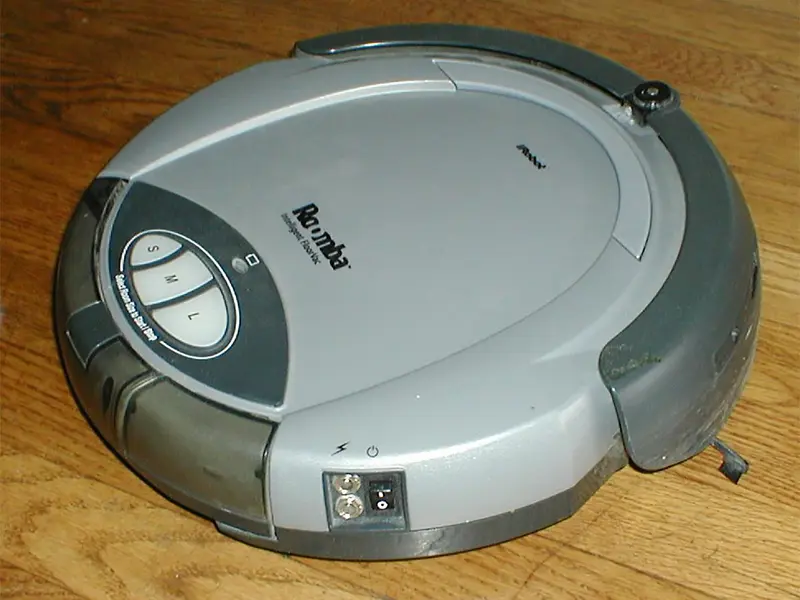
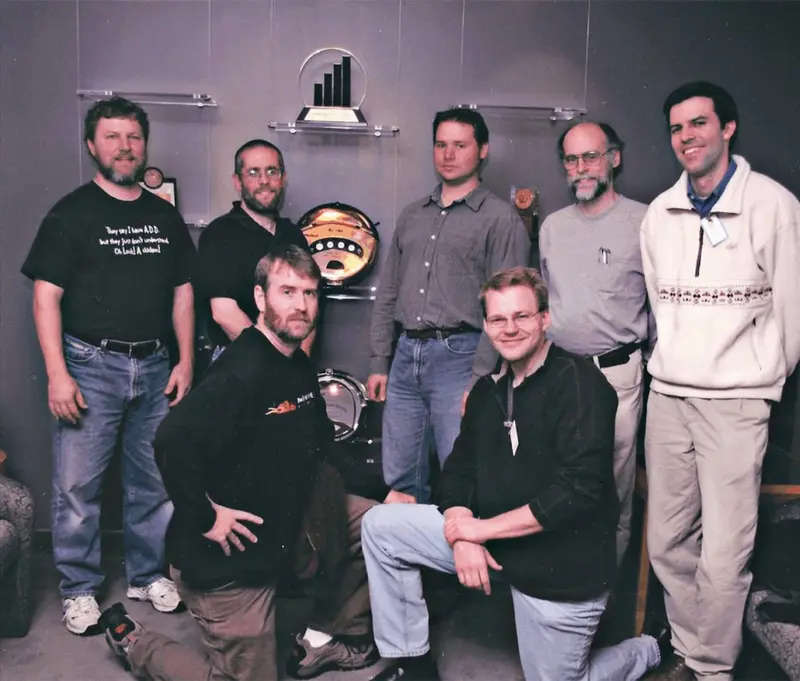
By September 2002, iRobot released the first production Roomba. Its combination of carpet sweeper and micro-vacuum allowed it to clean efficiently, remain compact, and be priced competitively. Early consumer research had ensured that Roomba could command a viable price, paving the way for mass adoption.
Lessons in Innovation
Roomba’s journey demonstrates that successful innovation requires more than technical achievement. Engineers tackled extreme space and power constraints while aligning with market perceptions. The micro-vacuum, though low-powered, validated the product in consumers’ eyes and enhanced cleaning performance.
Legacy of Roomba
Today, Roomba continues to evolve, but its core design philosophy remains: smart, efficient, and user-centric. The lessons learned during development—listening to consumers, addressing perceptions, and overcoming engineering challenges—remain a blueprint for innovation in robotics and beyond. Roomba is proof that thoughtful engineering combined with market insight can turn a prototype into a global household icon.
Frequently Asked Questions:
What is Roomba and who developed it?
Roomba is an autonomous robotic vacuum cleaner developed by iRobot. It was designed to simplify household cleaning by navigating floors and carpets with minimal human intervention.
When was Roomba first introduced?
The first production version of Roomba was released in September 2002 after several years of prototype testing and market research.
How does Roomba clean floors effectively?
Roomba uses a combination of a carpet-sweeping mechanism and a micro-vacuum system. The sweeper handles carpets while the low-power vacuum ensures hard floors are spotless.
Why was the focus group important in Roomba’s development?
iRobot conducted focus groups to understand consumer expectations and perceptions. Feedback revealed that potential buyers valued a vacuum, which led engineers to integrate a micro-vacuum system into the robot.
What challenges did engineers face while developing Roomba?
Engineers had to work within strict space and power limitations. The robot needed to clean under furniture, be compact, and use minimal battery power while still including a vacuum feature.
How did Roomba change consumer expectations about cleaning technology?
Roomba demonstrated that robots could autonomously clean homes efficiently, saving time for users. It shifted the perception of vacuuming from a manual chore to a tech-driven convenience.
Who were Roomba’s first enthusiastic adopters?
While engineers expected tech enthusiasts to be early adopters, focus groups revealed that busy households, especially parents, were the most interested due to Roomba’s time-saving benefits.
Conclusion
Roomba’s journey from a simple carpet-sweeping prototype to a globally recognized household icon highlights the perfect balance between innovation, engineering, and consumer insight. By combining advanced technology with a deep understanding of user expectations, iRobot not only revolutionized home cleaning but also set a new standard for consumer robotics. The Roomba story demonstrates that successful innovation isn’t just about creating a functional product—it’s about solving real-world problems, adapting to market needs, and reshaping how people perceive everyday tasks. Today, Roomba continues to inspire the robotics industry, proving that thoughtful design and strategic foresight can transform an idea into a lasting, world-changing solution.
