




Our earliest ancestors lived in a world filled with natural dangers — predators, harsh climates, and as new research reveals, toxic lead exposure. While most people associate lead poisoning with modern civilization and Roman plumbing, evidence now suggests that this invisible threat plagued humans and apes nearly two million years ago.
A groundbreaking study led by paleoanthropologist Renaud Joannes-Boyau of Southern Cross University has discovered lead traces in fossilized teeth from ancient hominins and apes. These findings push the timeline of lead exposure far earlier than previously imagined, suggesting that contact with this toxic metal might have subtly influenced our evolutionary story.
Read More: The Dark Truth Behind AI Power: Fueled by Fracked Gas and Texas Lands Torn Apart
Traces of a Hidden Threat in Ancient Teeth
Joannes-Boyau and his team analyzed tiny samples of enamel and dentin from 51 fossilized teeth belonging to various ancient species. Surprisingly, most of these fossils revealed significant traces of lead—indicating repeated exposure during early childhood.
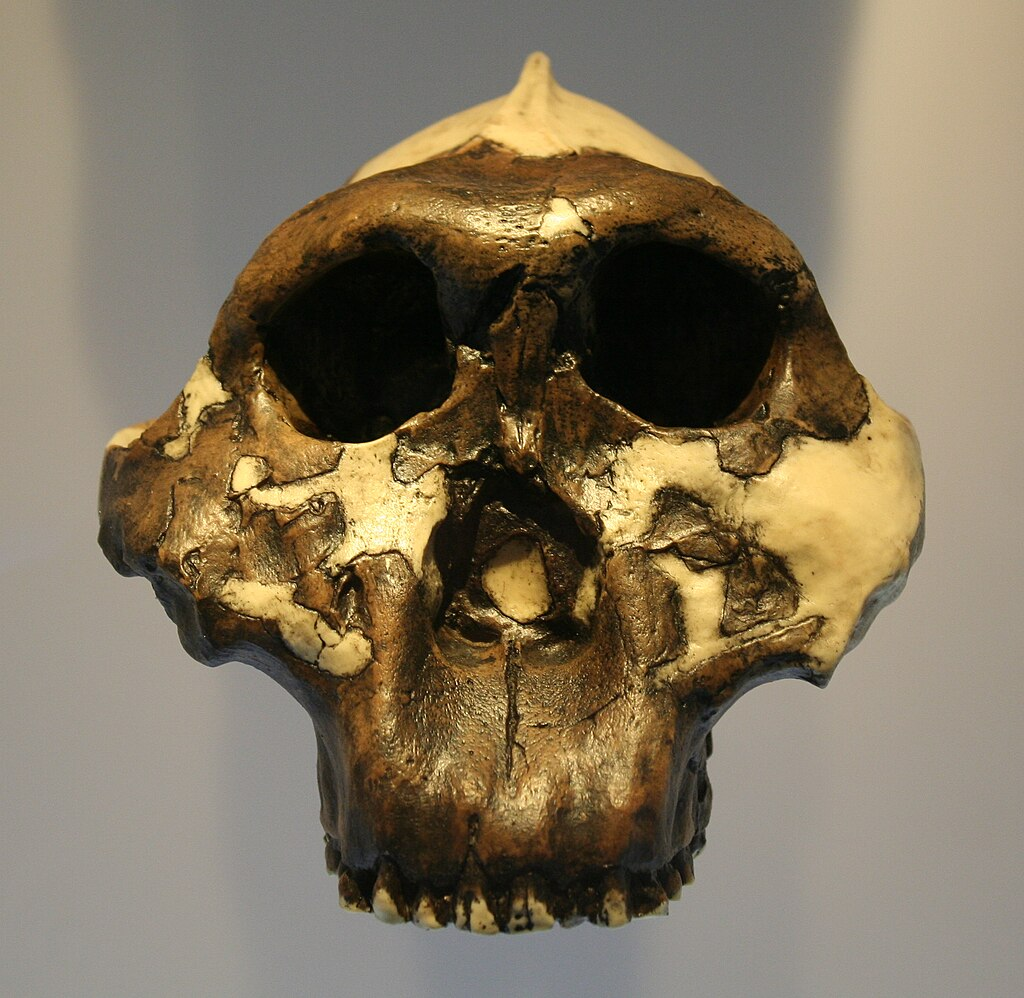
Tooth enamel, which forms in layers much like tree rings, serves as a natural timeline of an individual’s early life. Each layer records environmental conditions, including toxins absorbed into the bloodstream. In this case, dark bands in the enamel signaled episodes of lead exposure measurable in parts per million.
An astonishing 71% of the sampled fossils contained clear signs of lead exposure. These fossils ranged from 100,000-year-old Homo sapiens in China to 250,000-year-old Neanderthals in France, and even earlier species such as Australopithecus africanus, Paranthropus robustus, and early Homo individuals from South Africa. The evidence makes one thing clear: lead contamination is not a modern problem—it is an ancient one.
Natural Sources of a Toxic Metal
Before industrialization, there were no factories, metal smelters, or leaded fuels to pollute the air. So how were these early hominins poisoned? The answer lies beneath their feet.
Lead occurs naturally in many types of rock and soil. Minerals such as galena (lead sulfide) contain high concentrations of lead, and erosion or weathering can release this metal into the environment. In some cases, ancient caves and riverbeds naturally accumulated heavy metals at levels that would be considered hazardous even by modern standards.
A 2015 study of Spanish caves once inhabited by Neanderthals found that the soil contained heavy metals at concentrations equal to today’s definition of contaminated ground. Similarly, fossils from Queque Cave in China showed lead levels exceeding 50 parts per million, high enough to cause developmental and cognitive issues.
For young hominins, the danger would have been magnified. Children instinctively explore the world through touch and taste—often putting soil, stones, or other natural materials in their mouths. This behavior could easily have led to chronic ingestion of lead particles, particularly in regions with lead-rich bedrock.
Environmental factors such as wildfires, volcanic eruptions, or floods could have further spread lead particles into water sources or food chains, contaminating plants and animals. Even without industrial pollution, nature itself provided countless opportunities for exposure.
Unequal Exposure Among Ancient Species
The research team examined fossils from several South African cave systems located close to each other within the region known as the Cradle of Humankind. Despite sharing the same environment, different hominin species displayed varying levels of lead exposure—suggesting that diet and behavior played key roles.
Among the species studied, Australopithecus africanus showed the highest lead levels, Paranthropus robustus the lowest, and early Homo species fell somewhere in between. The researchers believe this variation reflects differences in dietary habits and ecological niches.
For instance, P. robustus, which primarily consumed tough vegetation, may have experienced occasional acute exposure—perhaps from inhaling smoke during wildfires. In contrast, A. africanus and early Homo species with more varied diets likely ingested lead through bioaccumulation, as the toxin moved up the food chain through plants and animals.
These findings highlight that even subtle changes in lifestyle or diet could dramatically influence how much environmental lead early humans absorbed.
Could Lead Exposure Have Influenced Human Evolution?
The study also explores a provocative question: did chronic lead exposure shape our genetic evolution?
Researchers focused on a gene called NOVA1, which plays a crucial role in brain development and is known to respond to lead exposure. Interestingly, the modern human version of NOVA1 differs by a single amino acid from that found in Neanderthals, Denisovans, and all other primates. This small difference raises questions about whether our unique variant offered any evolutionary advantage.
Experiments using stem cells have shown that altering NOVA1 affects how the brain develops—at least in mice, where disabling the gene causes severe muscle and neurological defects. Human studies, however, remain inconclusive. Some researchers found that cells carrying the ancestral version behaved differently from those with the modern human variant, while others could not replicate these results.
In Joannes-Boyau’s follow-up experiments, scientists grew brain-like organoids using both ancient and modern versions of NOVA1 and exposed them to varying levels of lead. They observed differences in gene activity and protein production, though the meaning of these changes remains uncertain. Some reactions intensified at certain lead levels but reversed when exposure increased, suggesting a complex, non-linear response.
Ultimately, there is no clear proof that the modern human version of NOVA1 provides any protection against lead poisoning. Yet, the possibility that ancient environmental toxins subtly shaped our brain development remains an intriguing theory.
A Persistent and Ancient Enemy
From the caves of prehistoric Africa to modern cities, lead has shadowed humanity through every era. What began as a natural environmental hazard evolved into a widespread industrial contaminant. Ancient hominins encountered it through soil and rock; Romans piped it into their homes; modern societies burned it in fuels and used it in paints and pipes.
Despite countless technological advancements, lead remains one of the most insidious threats to human health. It disrupts neural development, weakens cognitive function, and leaves lasting marks in the body—just as it did in our ancestors millions of years ago.
The study’s findings not only rewrite our understanding of early human environments but also serve as a warning: the toxins we struggle with today have been part of our world since the dawn of humanity. Nature’s poisons, though often hidden, have always tested the resilience and adaptability of life.

The Legacy of Lead in Human History
Understanding that ancient hominins suffered from lead exposure changes how scientists view the environmental challenges of evolution. Early humans didn’t just adapt to predators, climate shifts, or scarce food—they also had to endure chemical stressors that may have subtly shaped biological development and even behavior.
As researchers continue to analyze fossils and compare genetic data, new discoveries may reveal how such toxins influenced not only our ancestors’ health but also their survival strategies. For example, communities living in lead-rich regions might have developed behavioral adaptations, such as avoiding certain water sources or habitats, unknowingly protecting themselves from contamination.
The story of lead is, therefore, not just a tale of toxicity—it’s one of resilience. Despite generations of exposure, humanity endured, evolved, and eventually developed the scientific knowledge to identify and fight the same poisons that once threatened its existence.
Frequently Asked Questions:
What is the main idea of the article?
The article explores how lead poisoning is not just a modern issue but an ancient one, affecting early hominins and shaping human evolution over millions of years.
How did ancient humans get exposed to lead?
Early humans and apes were exposed to naturally occurring lead found in rocks, soil, caves, and contaminated water. Environmental factors like volcanic eruptions and wildfires also released lead into their surroundings.
What did scientists discover in fossilized teeth?
Researchers found high levels of lead in the enamel of fossilized teeth from ancient species such as Australopithecus africanus, Paranthropus robustus, Neanderthals, and early Homo, proving that lead exposure occurred nearly two million years ago.
Why are teeth important in studying ancient lead exposure?
Tooth enamel forms in layers during childhood and preserves chemical traces from that time. These layers act as natural records, showing when and how much lead entered the bloodstream.
Which species showed the highest levels of lead exposure?
Among the fossils studied, Australopithecus africanus showed the highest lead levels, while Paranthropus robustus displayed minimal exposure, suggesting differences in diet and habitat.
Did lead exposure influence human evolution?
While no direct proof exists, scientists suspect that chronic exposure may have affected genes linked to brain development, such as NOVA1, potentially influencing how humans evolved cognitively.
What is the NOVA1 gene and why is it significant?
NOVA1 is a gene involved in brain development and response to toxins like lead. Modern humans have a unique version that differs slightly from Neanderthals and Denisovans, raising questions about its evolutionary role.
Conclusion
The story of lead poisoning reveals a hidden chapter in human evolution—one where survival meant enduring not only predators and harsh climates but also invisible toxins in the environment. From prehistoric caves to modern cities, lead has shadowed humanity for millions of years, silently influencing our biology, behavior, and perhaps even our genetic evolution. This enduring connection reminds us that the challenges faced by our ancestors are still relevant today. As science uncovers the deep roots of environmental toxicity, it urges us to learn from the past—to recognize that nature’s dangers are timeless, and our responsibility to safeguard human health and the planet is greater than ever.
